
AI for Law Firms: A Comprehensive Guide

AI can help law firms improve efficiency, reduce routine work, and support tasks like legal research, analysis, document management, and billing. In this guide, we explore what AI is, how law firms can use it, ethical considerations, legal AI tools, and more.

Looking for Clio’s AI? Meet Clio Work, Clio’s AI for legal work. It helps you analyze documents, find relevant authority, build strategy, and get to stronger drafts faster, grounded in your cases, their context, and the law.

Bald man with beard and glasses looking thoughtfully at a laptop, hand on chin.
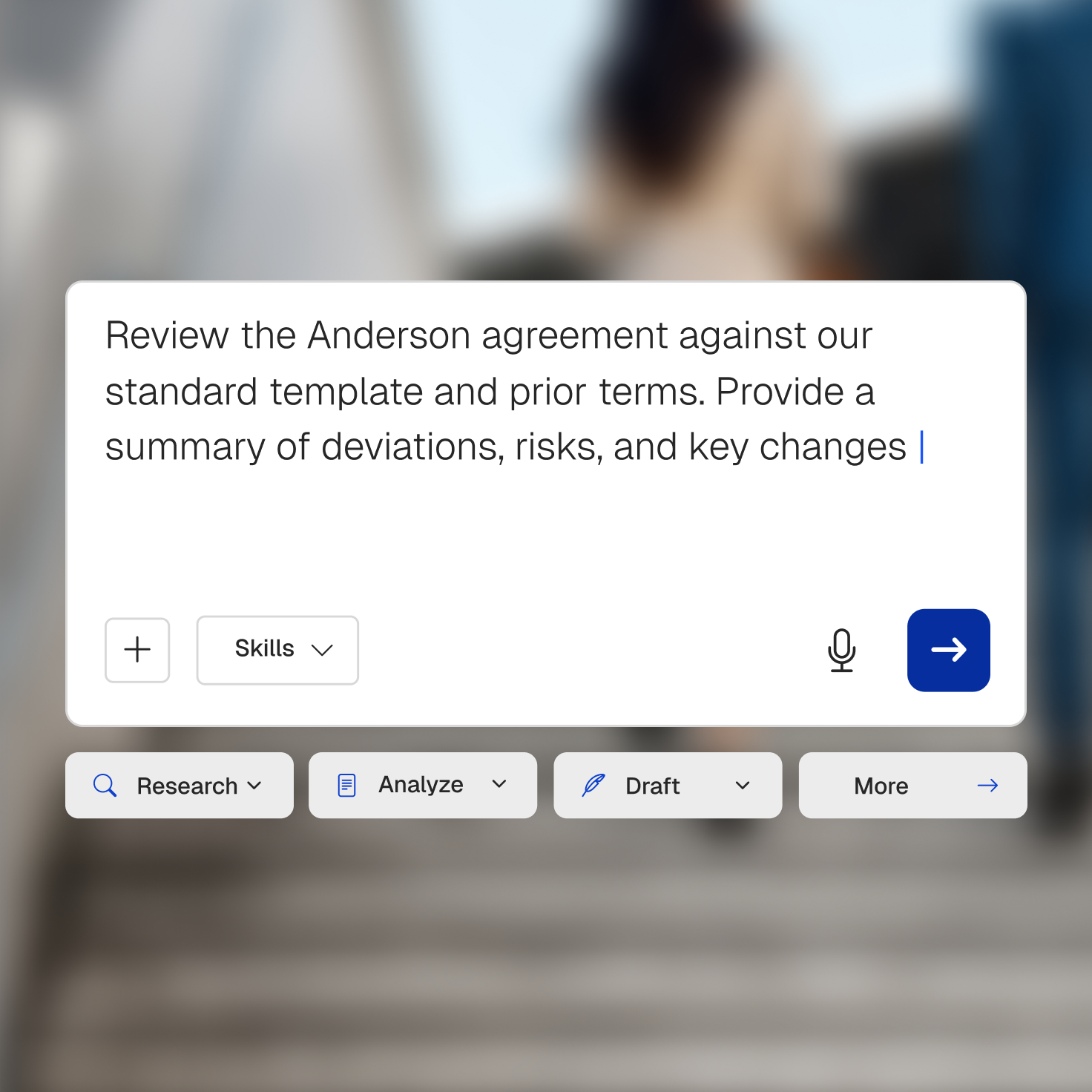
A digital interface showing an AI assistant prompt: "Review the Anderson agreement against our standard template and prior terms. Provide a summary of deviations, risks, and key changes," with skill-based action buttons like "Research," "Analyze," and "Draft."

Clio Work

Clio Work unites AI legal research, analysis, and drafting in one workspace. Centralize matters, accelerate case prep, and work with confidence.

A Black woman in a blazer holds a tablet and speaks to an unseen audience.

Legal AI

With AI, Clio Manage responds to potential clients, analyzes matters alongside the law, and completes routine work or moves it to the next step that needs your judgment. Client data stays protected by Clio’s security controls.

Person in a mustard yellow sweater wearing bangles, typing on a silver laptop on a wooden table.

Get started with legal technology

See how legal technology like Clio can help your law firm practice more efficiently.