ONCE Wills & Trusts
What It Feels Like To Practise Law When the Tools Think Like You Do
-
Sole practitioner Number of staff
-
2021 Started using Clio
-
United Kingdom Location
How Richard Ansah built ONCE Wills & Trusts into a solo practice that researches faster, advises better, and never turns a complex case away
A specialist practice, built around education
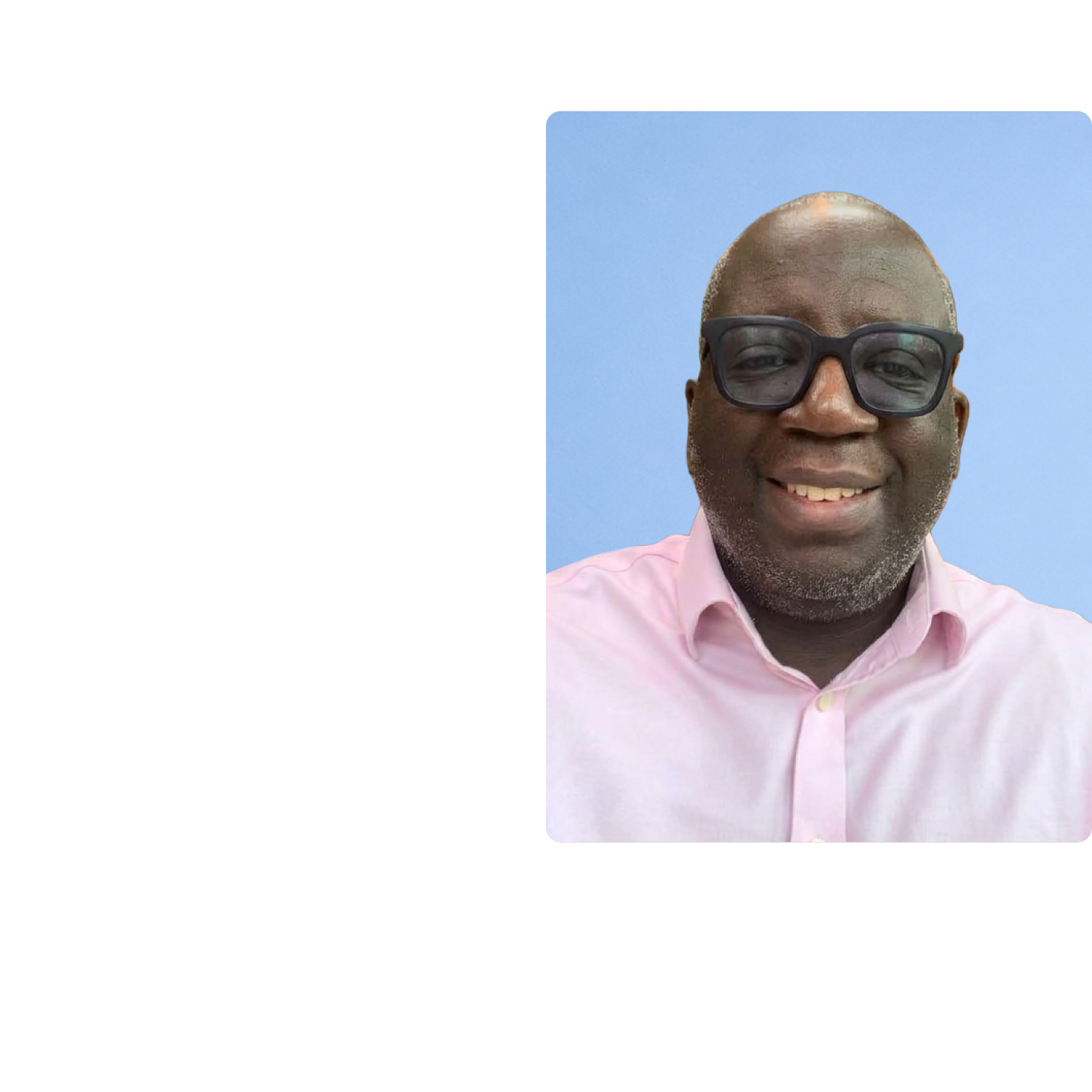
Richard Ansah runs ONCE Wills & Trusts as a sole practitioner, specialising in the parts of estate planning that many overlook until it’s too late. As a STEP-qualified specialist, he works primarily in inheritance tax and trusts to help families protect what they’ve built across generations.
Most people see a will as “a tin of baked beans”, as he puts it, the same wherever you buy it. Richard has spent his career proving otherwise, showing families why advice specific to their circumstances changes everything.
That education-first approach is what brings clients to ONCE Wills & Trusts, and what keeps them coming back.
Running that kind of practice alone is no small undertaking. Richard had previously worked with a larger team, and the question of how to maintain the same depth and quality of work without that support around him was one he needed to solve.
When doubt becomes certainty
Richard has always been drawn to technology, and when AI tools began to enter the mainstream, he explored several general-purpose options before turning his attention to tools purpose-built for legal work. He considered one alternative before deciding to stay within the Clio ecosystem, trusting what he already knew and had built his workflow around.
Having used Clio since 2021, ONCE Wills & Trusts already had much of its day-to-day practice running through the platform. But Richard wasn’t immediately sold on Clio’s legal AI, Clio Work.
He initially expected a library of ready-made documents and templates. When he realised it was something different, he nearly dismissed it. What changed his mind was discovering how much he could shape the output through conversation.
“You can really interrogate it, like have a conversation, or I would say an argument, with it,” he says.
That kind of back-and-forth, pushing the tool until it gives you exactly what the client in front of you needs, is something a template can’t replicate.
A tool that thinks like a specialist
What convinced Richard was the depth of what Clio Work could handle. In his practice, laws interact constantly: the Inheritance Tax Act, the Finance Act, trust law, compliance requirements. Getting the analysis right requires holding a lot of complexity at once, and checking every element carefully before anything goes to a client.
“I use it as my first redline analysis for all of my work,” Richard says. That means every piece of advice, every letter, every compliance check runs through the same process before it reaches a client.
The research capability is only the start of how Richard uses it. He can set precise parameters for how he wants a task approached, instructing the tool to act as a compliance investigator, find holes in a document, or interrogate a trust deed for its tax implications.
In a regulated field where mistakes have real consequences, the output had to be right. He runs what he calls a “six-eye check” on everything that leaves the practice, combining his own expertise with the tool’s analysis before a final review and before anything reaches a client.
It’s not hallucinated in any way. It’s always, if anything, validated.
Founder, ONCE Wills & Trusts
For someone with Richard’s depth of knowledge, having a tool he can trust completely changes what he can take on.
The work, at full speed
Richard has changed the way he works through a matter from the very first client conversation. Where a consultation once left him with hours of follow-up research, he can now produce a detailed client summary in a fraction of the time and move straight into drafting.
He is deliberate about what he wants from every piece of client communication, giving clear instructions on tone, context, and what the letter needs to achieve. That lets him refine the output until it’s accurate, useful, and careful not to promise more than it should.
He has also done the maths on what this capability would cost him if he had to replicate it another way. He previously ran a larger team and knows what equivalent expertise could cost in headcount.
If I were to put that in a revenue perspective, then that’s at least £150K a year saving.
Founder, ONCE Wills & Trusts
Beyond the research and drafting, Richard has built a workflow in Clio that runs the practice from first contact to completion without him having to manage every step. Clients sign up online and move through the pipeline and into matter management where everything is tracked. Billing and follow-up are also handled in the background so he can spend more of his time where it matters most.
An infrastructure that scales with him
Richard is actively planning to scale ONCE Wills & Trusts over the next year, moving into probate and trust drafting alongside the core inheritance tax work.
What gives him confidence is that the infrastructure is already in place. He’s seen Clio work with multiple users logging in simultaneously, advisors tracking their own work, and the security controls that allow him to keep certain matters private while giving others the access they need.
When Richard talks about AI, he’s consistent on one point. The tool is only as good as the person using it, and the person has to know their subject.
If you’re confident in your own abilities, then why not have a tool that can amplify them even more?
Founder, ONCE Wills & Trusts
ONCE Wills & Trusts was built around the conviction that every family deserves advice specific to their circumstances. Richard can now deliver that faster and more accurately than ever before, without the team it would previously have taken to match it.