Map every related party
Record applicants, sponsors, dependants, and employers as related contacts, and gather each person’s history through online intake forms.
Who We Serve
Software for sole practitioners, Large Law and in-house teams, across every area of law.
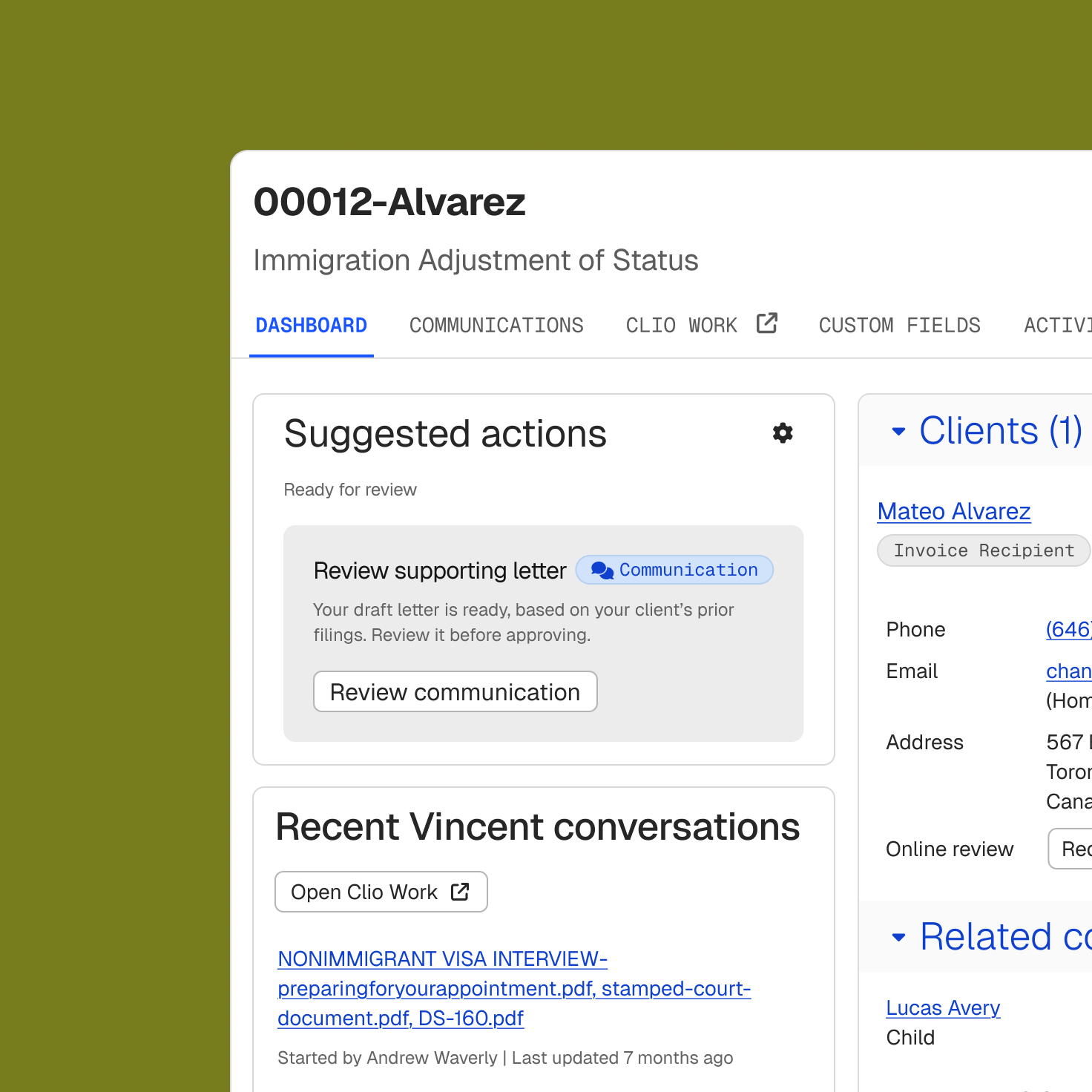
Record applicants, sponsors, dependants, and employers as related contacts, and gather each person’s history through online intake forms.
Your firm’s templates for representations, witness statements, and cover letters draw on client data you’ve approved, so names and dates aren’t retyped.
Request documents through the client portal, see what has arrived, and tie each record to the person and application it supports.
Turn acknowledgements, requests for further information, interviews, and hearings into dated tasks and calendar events, then update the client.
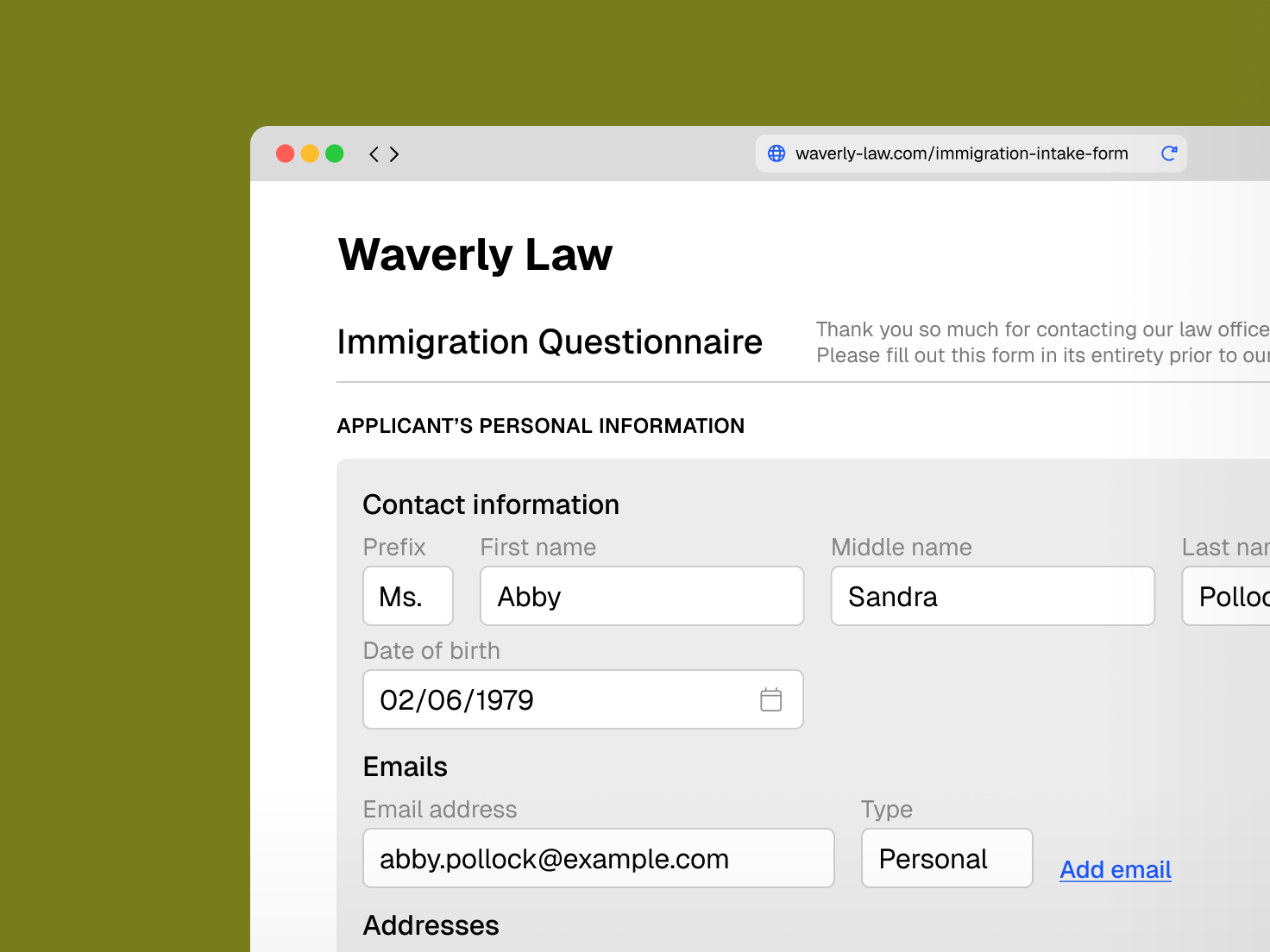
One case can turn on a prior application, two spellings of a name, and travel dates across old passports. Online intake forms collect that history before the consultation, and Clio’s legal AI can screen new enquiries for fit. You decide which route to pursue.

Names, Home Office references, addresses, and travel dates repeat across an application, and one mismatch can raise questions later. Clio fills your firm’s own templates for cover letters, representations, and witness statements from matter fields you’ve approved. You check each document against the current Home Office requirements.
An application can depend on passports, civil records, tax returns, and support letters from the applicant, sponsor, and employer. Task lists show what each person has sent and what’s outstanding, and clients upload through a portal in English or Spanish. You judge when it’s ready.
A request for further information shortens the timeline, and a hearing notice reorders the week. Clio’s legal AI can turn a notice into proposed calendar events for you to confirm, while tasks assign the response. You approve every reply.
An approved case often leads to more work, such as a Skilled Worker extension, indefinite leave to remain, naturalisation, or a family member’s visa. The client’s related contacts and prior applications stay available, so the next case starts from facts you’ve checked. Each matter keeps its own permissions.
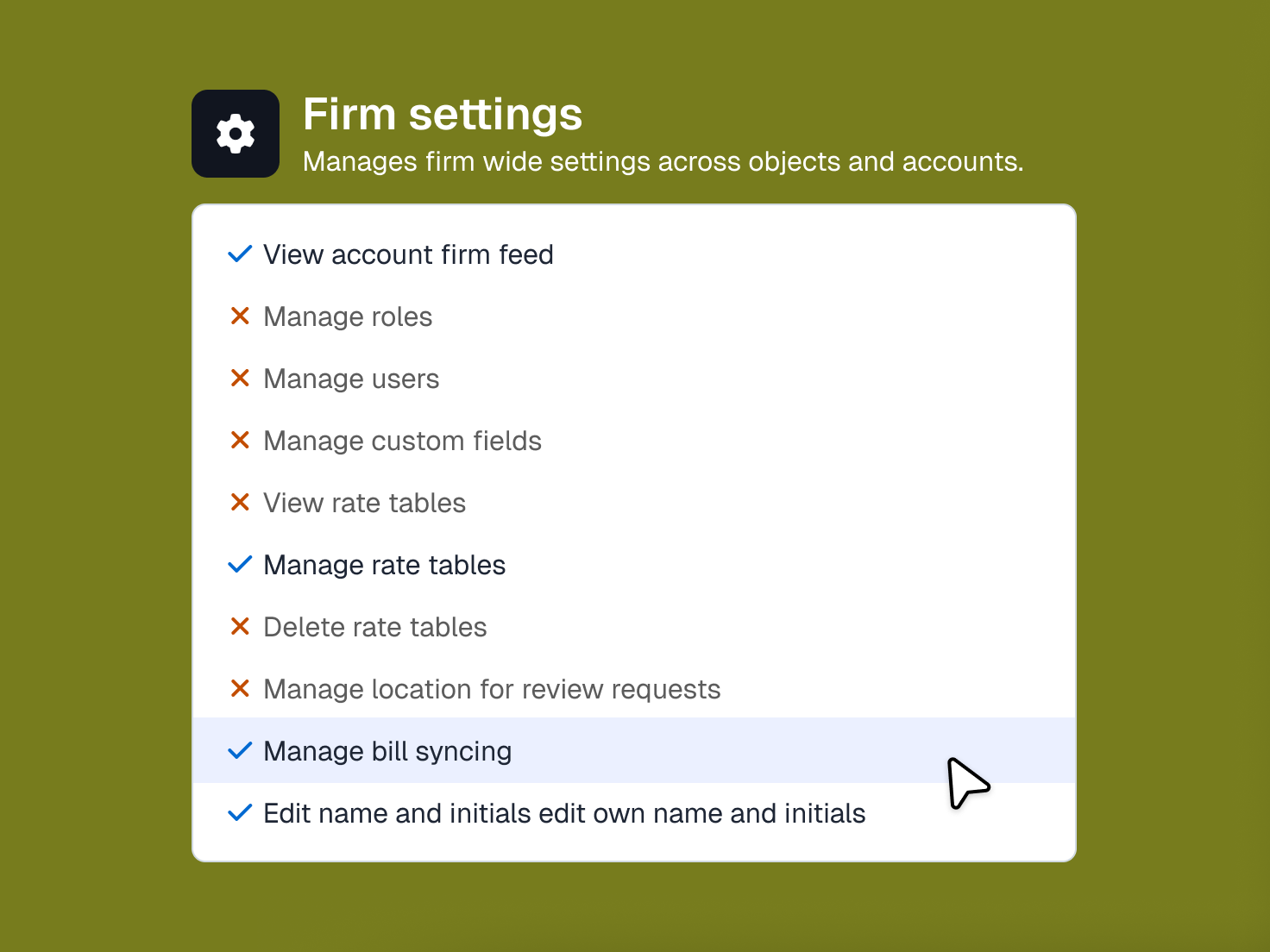
Matter permissions decide who at your firm can open each case, and Clio’s legal AI works only with what that person is allowed to see. Clio never uses client data to train external AI models, and you review every summary, draft, and research result before it’s used.
As a small firm, time is always short but the features available on Clio have allowed us to create new and faster ways to work. The task system keeps cases moving and ensures deadlines are never missed, while document production with unlimited custom fields is central to our everyday operations.
Meliora Solicitors
Software for immigration practices keeps each client’s identity, family, and status history together with forms, evidence, agency notices, deadlines, messages, and billing. In Clio, that record also feeds Clio’s legal AI, which summarises applications, drafts supporting documents, and researches UK immigration law for your review. The same history is there for the next extension or family application. See Clio in action.
Clio keeps intake answers, application documents, evidence, agency notices, and billing on the same matter as the client’s related contacts and client ledger, so the facts behind one application are ready for the next. Clio’s legal AI works within that record and your matter permissions, and your firm approves each draft and summary before it’s used. Get a demo.
Yes. Your firm’s own representations, witness statements, cover letters, and checklists can become templates that fill from client and matter fields such as Home Office references, passport numbers, and visa expiry dates. You review each document and approve the application before submission. Start a free trial.
Yes. Clients upload passports, civil records, and financial documents from a phone through the secure portal, which is available in English or Spanish. Task lists show what each applicant, sponsor, or employer has sent and what’s outstanding, and secure messages hold follow-up with the case. Clio can also summarise prior applications and Home Office correspondence for your review. See Clio in action.
Yes. Ask about eligibility or procedure, and Clio’s legal AI researches the Immigration Act 1971, the Nationality and Borders Act 2022, and the Immigration Rules, alongside decisions of the Upper Tribunal (Immigration and Asylum Chamber), the Court of Appeal, and the Supreme Court. It returns cited authority with signals that show whether a decision has been criticised or overruled, and you judge each source before applying it to the client’s case. Get a demo.
Yes. Calendar events, tasks, and reminders track receipt dates, biometric appointments, interviews, hearings, response deadlines, and visa expiry dates, with the supporting notice saved to the matter. Clio can draft calendar events from a notice for you to confirm. See Clio in action.
Yes. Hold a fixed fee in the client account and earn it in stages as the application moves forward, billing each completed stage against the money held for the client. Set a minimum balance with low-funds alerts, offer payment plans, and reconcile client account transactions against your bank statement in Clio. Your firm remains responsible for its regulator’s client money rules, such as the SRA Accounts Rules. Start a free trial.
Yes. The MotaWord Document Translation integration lets you select documents in Clio, get a quote, and order a professional translation, then receive the translated documents in Clio. Foreign-language civil records and support letters stay on the matter with the rest of the client’s evidence. Get a demo.